Menu



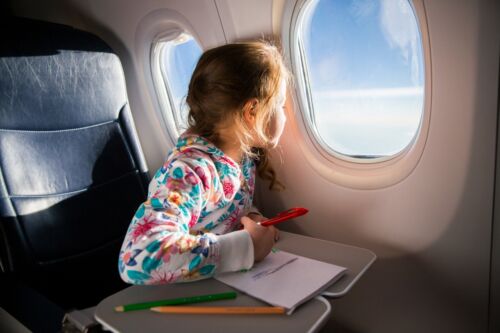
If you are parting ways with your spouse and have family overseas or would simply like to travel with your child, you may be wondering if there are rules for international travel during divorce. Importantly, if a custody order is in place, a parent cannot travel internationally with a child without the consent of the other parent or a court order. Navigating the legal requirements for travel are crucial to ensure a smooth trip, and to avoid any violations of the custody agreement.
The first thing you should do when considering international travel during divorce with children (or after your divorce decree has been issued) is check your custody agreement. It may specify rules for travel, restrict travel to certain countries, provide a notice requirement, and outline a framework for obtaining permission from the other parent. The agreement may also require a court order to travel. Failure to adhere to the requirements set forth in your parenting plan can result in serious legal consequences.
Even if your custody agreement does not specify that you need to obtain consent from the other parent for international travel, you must still get their permission. This can help ensure that you avoid custody disputes or in some cases, kidnapping allegations. You should have a notarized letter of consent from the non-traveling parent granting permission for the travel. In fact, many countries require a notarized letter of consent as a security measure to help prevent child abduction.
It’s always best for parents to resolve custody matters between themselves. However, if the non-traveling parent refuses to provide their consent for international travel during divorce with your child (or after the divorce has been finalized), you will need to obtain a court order. This involves filing a motion with the court that provides the reasons the travel is necessary or beneficial, the attempts made to obtain the other parent’s consent, and evidence that the travel is in the child’s best interests. The motion should also include any travel warnings for the destination country and whether the country is a member of the Hague Convention.
While the child’s safety and welfare is first and foremost, a judge will consider a number of factors to determine whether the travel is in the best interests of the child, including:
The court will schedule a hearing where both parents can argue their positions. Ultimately, the burden is on the traveling parent to show that the trip is in the child’s best interests. They must also be prepared to establish that the travel will not adversely impact the other parent’s relationship with the child. If the judge believes that there may be a risk that the traveling parent will not allow the child to return home to the non-traveling parent, they may order the traveling parent to secure a Ne Exeat bond prior to the trip.
Mediation can provide a neutral space for parents to share their concerns and address any custody issues in connection with travel. Specifically, mediation allows parents to find creative solutions when it comes to international travel during divorce (or after) that work for their family’s unique needs. In contrast with litigation, where a judge would decide the case, mediation ensures parents remain in control of the outcome. With the help of a mediator, parents can resolve their international travel disputes in mediation amicably, efficiently, and cost-effectively.
Once the international travel with the child has been approved, you should provide the other parent with all the necessary details about the trip, including transportation details, where you will be staying with the child, the itinerary, and your contact information. During the trip, be sure that your child has access to the non-traveling parent by arranging video calls at regular times. This can help your child to feel connected with their other parent, even when they are a considerable distance away.
If you have questions about international travel during divorce with a child, or traveling overseas after your divorce has been finalized, it’s essential to consult with an experienced child custody attorney. At NVP Family Law, we provide trusted representation and compassionate counsel to clients for a wide range of family law matters, including those involving international and domestic travel. We welcome you to contact us for a consultation online or by calling 470-314-0253 to learn how we can help.
© 2026 NVP Family Law, LLC|Legal Disclaimer|Privacy Policy